


Dental Air Compressor Sizing Guide
Last reviewed 2 November 2026
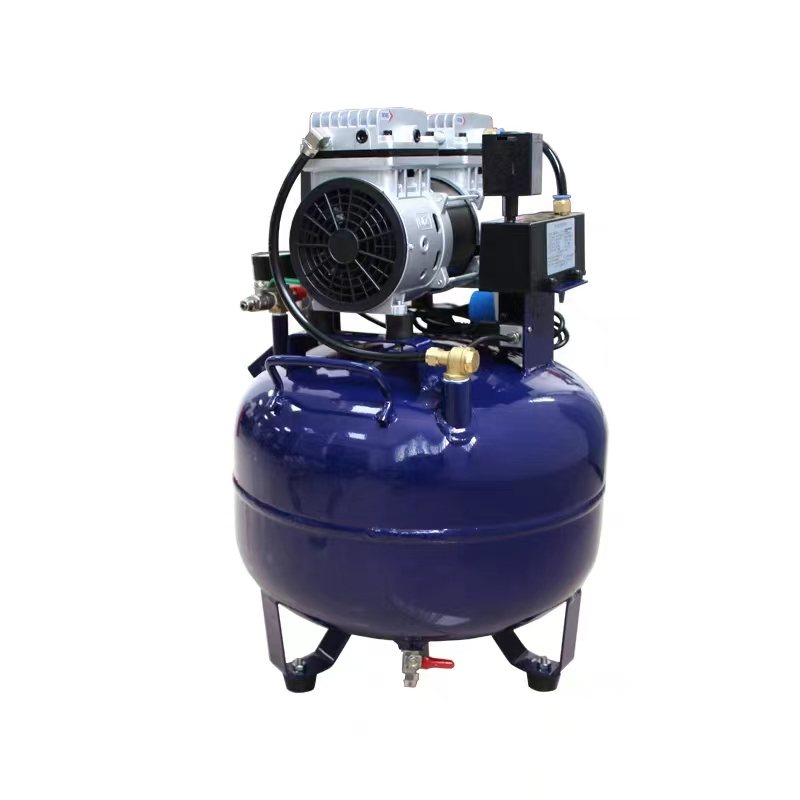
Dental chairs are usually sold as a package with an oil-free compressor, and the pairing is often wrong: the tank is big enough on paper but the pump cannot deliver the air. Here is how to size it.
Free air delivery, not displacement
Displacement describes the pump's theoretical intake volume. Request the delivered flow at the pressure the installation needs, with the test method, supply frequency and dryer configuration stated. Compare those figures with the demand specified for the actual dental units and instruments, including other air consumers.
Sizing worksheet
| Installation | Demand to document | Capacity to confirm |
|---|---|---|
| One chair | The unit and instrument manufacturers' flow and pressure requirements | Delivered flow, pressure range and permitted duty cycle for the selected compressor |
| Two or three chairs | How many operators and air-consuming instruments will run at the same time | Combined demand, line pressure losses and the compressor's recovery performance |
| Four to six chairs | Peak simultaneous demand, additional consumers and expected expansion | Documented performance for that installation, including duty cycle and any backup provision |
Tank capacity buffers short demand peaks; it does not prove a chair-count rating. Match each VOTEN model only after checking its current delivered-flow data, test pressure, cut-in/cut-out settings and duty cycle. Request a written recommendation for the intended simultaneous use.
Drying and air quality
Specify drying and filtration to meet the dental unit and instrument manufacturers' air-quality requirements under the site's ambient conditions. Confirm whether the quoted delivered flow includes the dryer, and obtain the filter, dryer and receiver-drain maintenance instructions.
Noise and placement
Request the noise level in dB(A), measurement distance and operating conditions, including whether a cabinet was fitted. Select a location that meets the manufacturer's ventilation, clearance and ambient-temperature requirements; any acoustic enclosure must preserve cooling and service access.
Voltage
Confirm voltage, frequency, phase and starting-current requirements against the destination supply. Order the nameplate-rated version on the proforma invoice; do not assume a 50 Hz-only model can operate on 60 Hz.
See the compressor and suction range, or request performance data and a sizing recommendation for your clinic.
Reference: Dürr Dental compressor selection guidance identifies simultaneous users, other air consumers, output at a stated pressure and installation conditions as selection factors. Its product ratings do not establish the performance of a VOTEN model.
Talk to the factory
Specifications confirmed in writing, packing data and distributor pricing within one business day.
Related
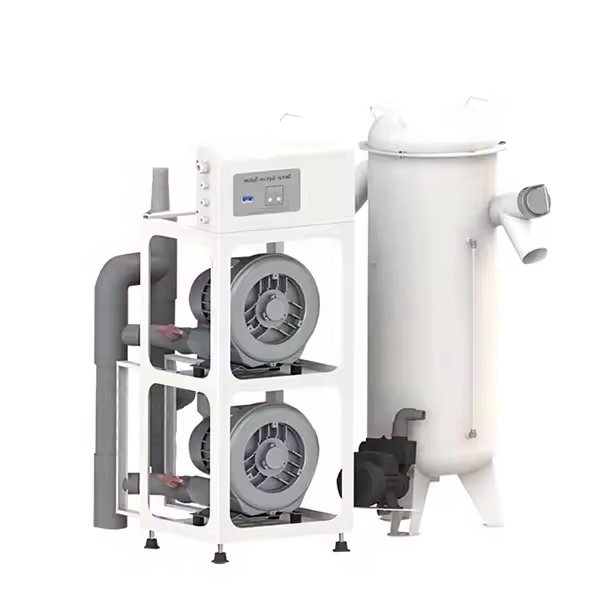
Dental Suction Systems Explained: Wet-Ring vs Dry
What to confirm about liquid-ring pumps, air/liquid separation, mobile and central suction: water supply, reservoirs, drainage and simultaneous-use capacity.
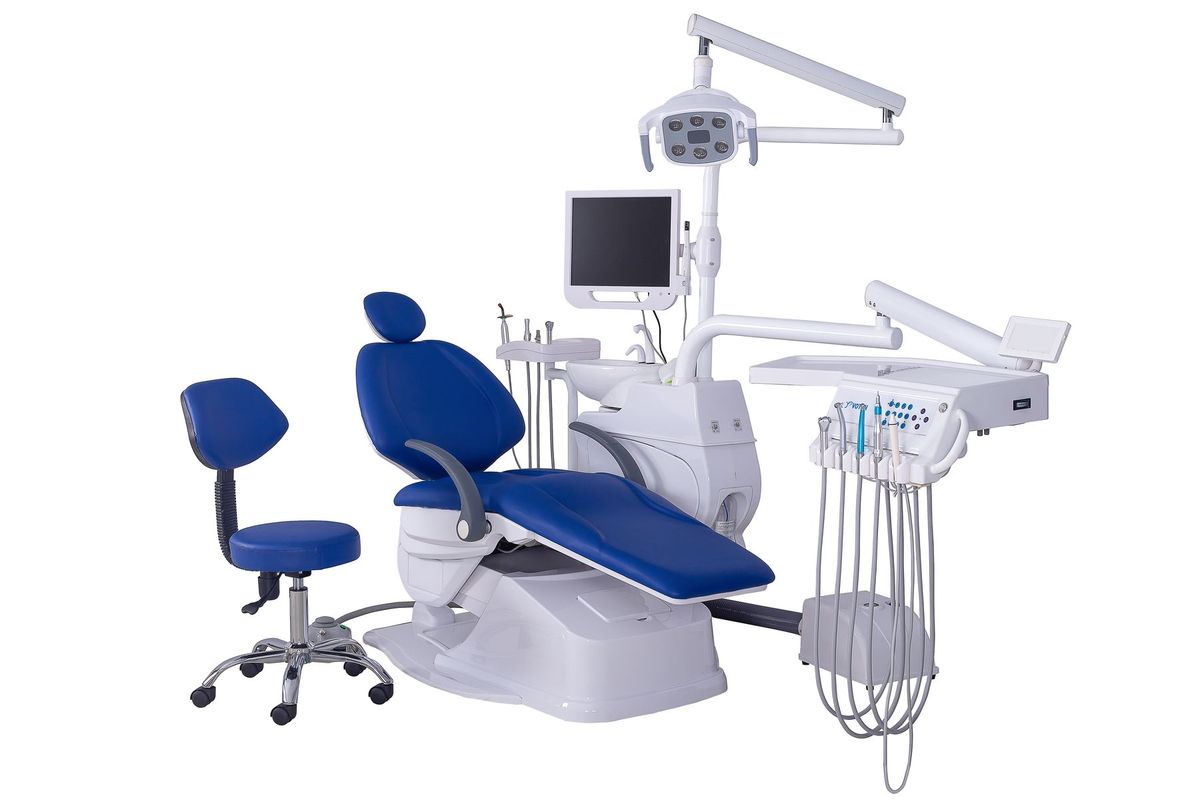
Dental Unit Explained: What a Dental Chair Is Made Of
The seven sub-assemblies inside every dental unit — chair, delivery system, light, spittoon, suction, control board and foot control — what each does, what fails first, and what to specify when you buy.
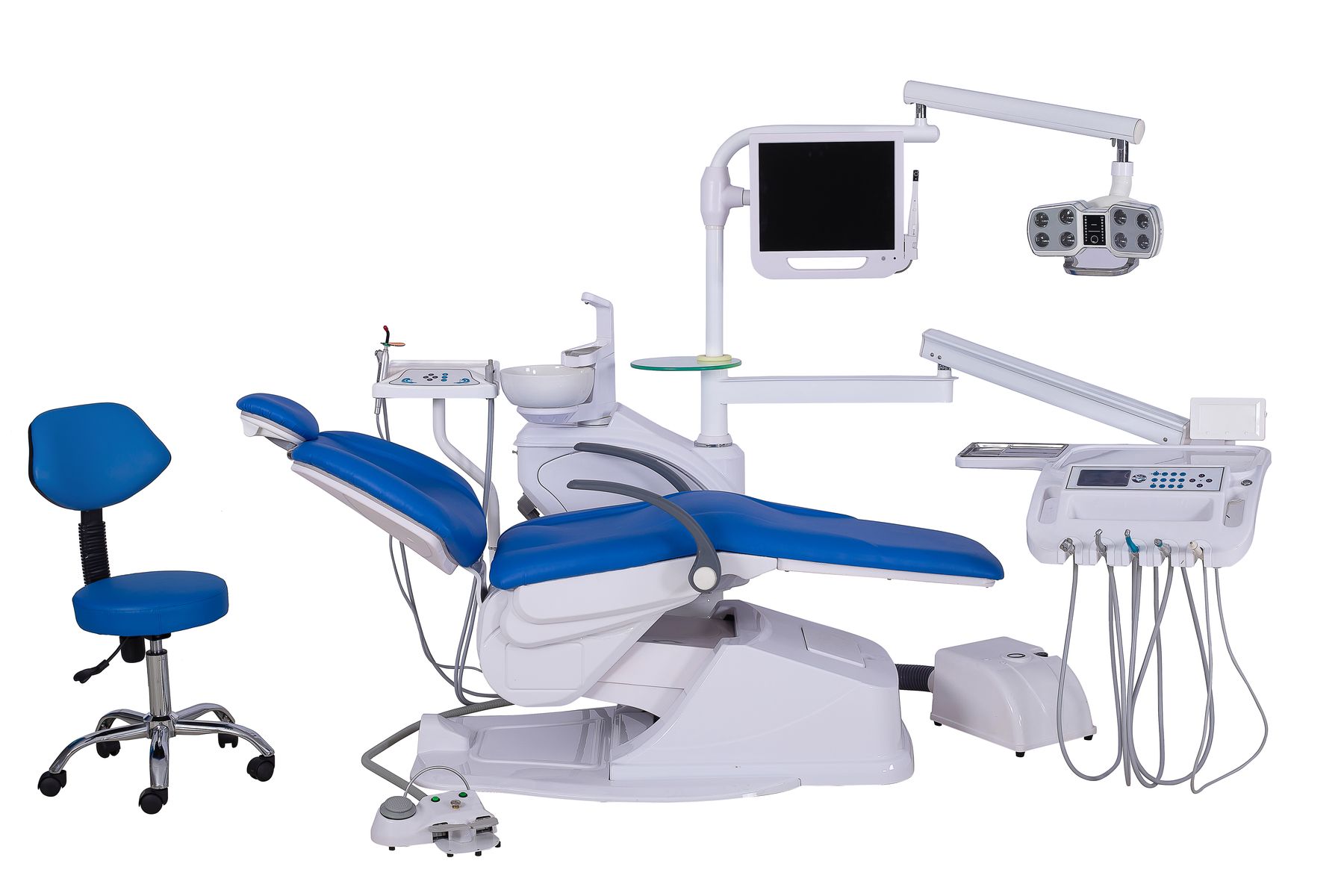
Hydraulic vs Electric Dental Chairs: Which to Stock
Hydraulic and electric drives are both used from entry-level to premium chairs. A dealer's comparison of cost, positioning, noise, maintenance and spare parts — compare the model, not the drive type.